Pros and Cons of Hardie Board Siding: Affordable Curb Appeal for Modern Homes
If you’ve been thinking about upgrading your home’s exterior, you’ve likely come across Hardie board siding — known for its sleek appearance, strong durability, and impressive resale value. But what’s it really like to own, and is it worth the investment for homeowners who care about both style and savings?
This what to know before installing Hardie board siding guide explores how to achieve a fresh, modern look while staying budget-conscious and realistic about the pros and cons.
Why Homeowners Love Hardie Board
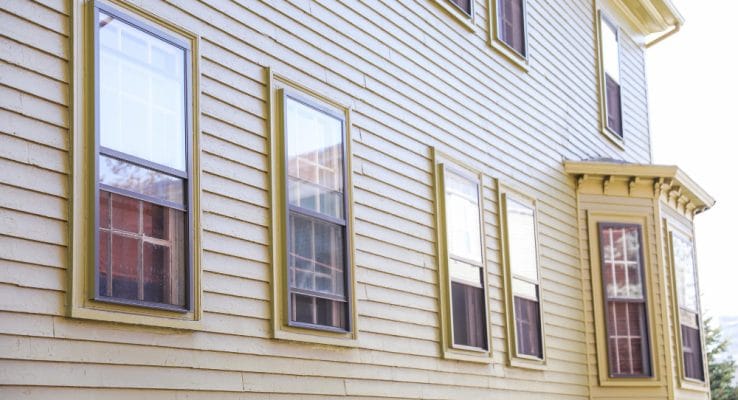
Curb appeal meets performance. That’s the best way to describe Hardie board’s appeal. It mimics wood’s natural texture but outlasts it by decades — a combination that’s hard to beat for both beauty and practicality.
Top advantages:
Doesn’t rot, warp, or attract termites.
Fire-resistant and weatherproof.
Can be painted or ordered in baked-on color finishes.
Adds 5–10% to resale value, according to national averages.
For homeowners seeking a polished look without constant upkeep, Hardie board delivers long-term confidence.
Balancing Cost and Value
Yes, the upfront price is higher — around $12–$16 per square foot installed — but the return on investment typically exceeds 88–90%.
When you factor in low maintenance and decades of durability, it’s often the smarter financial choice versus frequent repainting or repairs that come with wood or stucco.
Budget Tip: Focus on high-visibility sides of your home first. You can always finish other sections later as your budget allows.
The Few Drawbacks Worth Knowing
Even great materials have limits:
Weight: The panels are heavy — professional installation is essential.
Cost: Higher than vinyl, but lower than brick or stone.
Maintenance: Needs repainting roughly every 10–15 years.
If you plan wisely and hire certified installers, most cons become manageable trade-offs for long-term quality.
Design Flexibility on a Budget
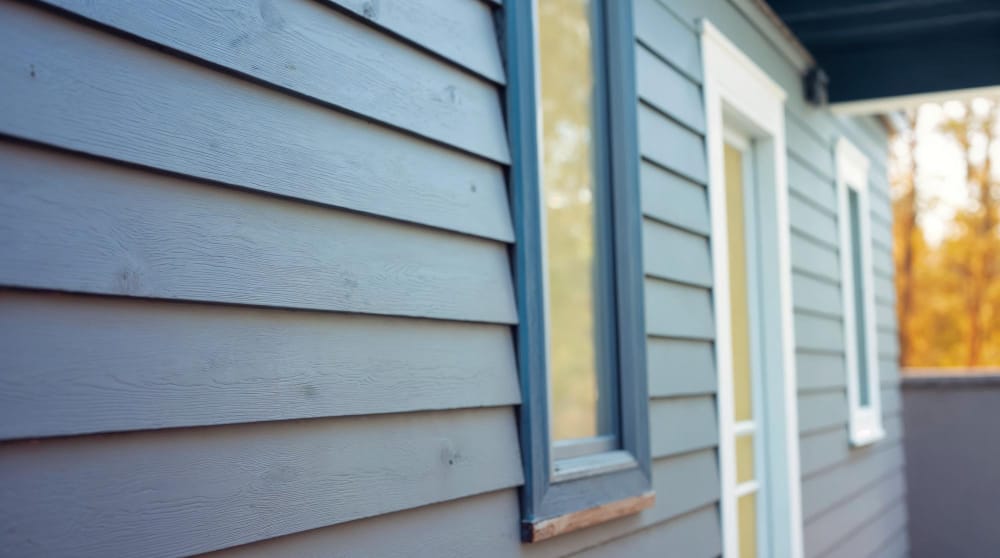
Hardie board comes in a variety of textures and profiles, from smooth lap siding to board-and-batten panels.
For modern homes, consider these combinations:
Smooth panels + black trim: Minimalist and architectural.
Wood-grain texture + neutral color palette: Classic and timeless.
Horizontal lap + vertical accents: Adds depth without extra cost.
Want to extend your modern design indoors? Pair your updated exterior with stylish laminate flooring selections that echo the same wood tones or finishes for a cohesive, high-end look.
Easy Upkeep Tips
Rinse once a year with a garden hose.
Touch up paint only when chips appear.
Keep landscaping trimmed 2–3 inches away from the siding.
Inspect caulking annually to prevent moisture seepage.
Follow these steps, and your siding should look new for decades — without the constant maintenance wood demands.
The Payoff: Beauty Meets Practicality
Hardie board’s biggest advantage? It looks far more expensive than it is.
The clean lines, fade-resistant finish, and architectural appeal make it a standout choice for homeowners who want premium style on a practical budget.
Builder’s Notes
When planned smartly, Hardie board siding strikes the perfect balance between elegance and economy. It’s a long-term upgrade that pays off in comfort, curb appeal, and peace of mind.
👉 Affordable doesn’t mean ordinary — it means intentional. Choose durable materials once, and enjoy your home for years with confidence.