Repair, Maintain, or Replace? Make the Decision Based on Condition
One of the biggest questions in Commercial Roofing Sacramento is whether an existing roof can reasonably be repaired or whether replacement should enter the conversation. There is no universal answer based solely on roof age. Condition, installation quality, previous maintenance, drainage, material type, and the extent of damage all matter.
A localized issue can often point toward repair. For example, deterioration around a penetration or flashing detail may not justify replacing an otherwise serviceable roofing system. When problems are widespread, moisture has affected multiple areas, or repairs have become increasingly frequent, a broader solution may make more sense.
Think beyond today’s invoice. A low-cost repair is not necessarily inexpensive if you have to repeat it several times over the next few years.
When reviewing your options, consider:
- Extent of damage: Is the problem isolated or spread across the roofing system?
- Leak history: Is this the first issue or part of a recurring pattern?
- Drainage: Does water move efficiently toward drains and designated outlets?
- Roof penetrations: Are HVAC units, vents, pipes, and other transitions properly sealed?
- Future plans: How long do you expect to own, operate, or substantially modify the property?
- Operational impact: Could recurring roof problems interfere with tenants, customers, equipment, or inventory?
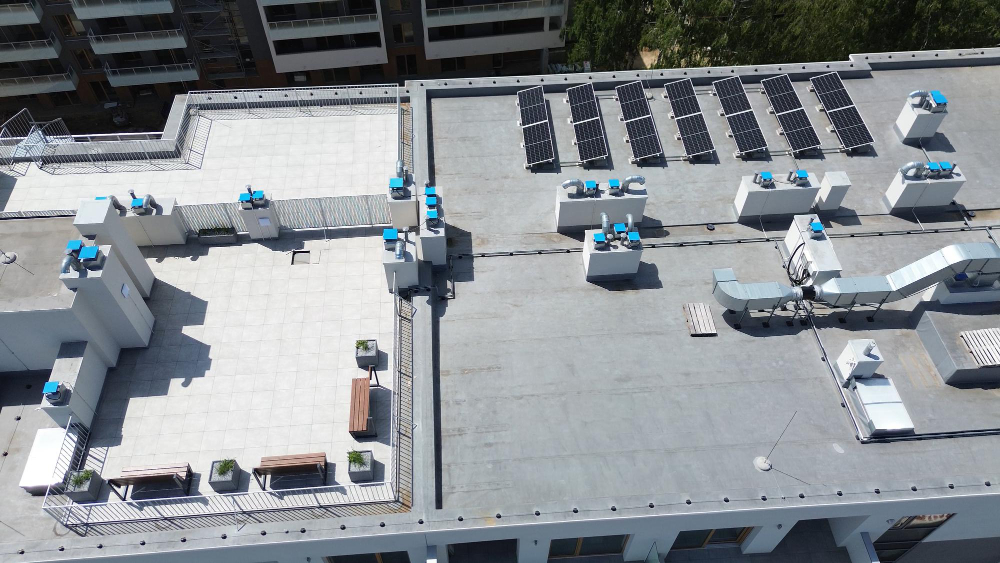
Commercial properties also require coordination that homeowners rarely encounter. Rooftop HVAC equipment, electrical components, solar installations, exhaust systems, and other mechanical elements can affect both roofing work and project sequencing.
This is where working with experienced commercial roofing professionals becomes particularly valuable. The goal should be to understand not only what has failed, but also why it failed and what solution fits the building’s actual condition.
Be cautious of recommendations made without a meaningful inspection. Two leaks that appear identical inside a building can originate from very different roof conditions. Accurate diagnosis should come before the proposed solution.
Choose Commercial Roofing Around Long-Term Building Performance
When comparing contractors for Commercial Roofing Sacramento, price naturally matters. But comparing estimates only by the number at the bottom of the page can hide important differences in scope.
What materials are being proposed? How will existing problem areas be addressed? What happens around drains, edges, flashing, penetrations, and rooftop equipment? What preparation is included? How will the contractor protect the property and manage cleanup?
Ask questions until you understand what you are purchasing. A professional proposal should help you compare actual scope rather than forcing you to choose between numbers that may represent very different levels of work.
You should also consider how roofing work could affect normal building operations. For an occupied office, retail property, warehouse, or other active facility, scheduling and communication can be almost as important as installation itself.
A practical commercial roofing plan should account for:
- Access to the property and roof
- Tenant or employee schedules
- Protection of entrances and work areas
- Rooftop mechanical equipment
- Material staging and debris removal
- Weather conditions during the project
- Final inspection and cleanup
After the immediate project is complete, continue paying attention to the roof. Severe weather, new rooftop equipment, contractor traffic, clogged drainage, and ordinary aging can change roof conditions over time. Periodic inspections can reveal developing issues while there is still an opportunity to address them strategically.
Ultimately, good commercial roofing management is about reducing surprises. You may not be able to prevent every leak or weather-related problem, but you can avoid treating the roof as an afterthought.
If you manage a commercial property in Sacramento, start with a clear understanding of what is happening above the ceiling. Evaluate the roof’s current condition, document recurring issues, compare repair and replacement options carefully, and choose a contractor that can explain the reasoning behind the recommended work. That approach turns Commercial Roofing Sacramento from an emergency expense into a more manageable part of protecting your property for the years ahead.