price to repipe a house

Understanding the Real Cost to Repipe a House in Sacramento

Understanding the Real Cost to Repipe a House in Sacramento

For many homeowners, aging plumbing is an invisible problem — until leaks, rust-colored water, or low pressure start to appear. At that point, the first question becomes: what’s the price to repipe a house? The answer depends on multiple factors, from the home’s size to the materials chosen and even local labor rates. Understanding these elements upfront helps you budget accurately, compare contractor quotes, and avoid unpleasant surprises once work begins.

In Sacramento, where older homes are common and water quality varies, repiping is one of the smartest upgrades you can make. A well-planned project not only prevents leaks and water damage but also increases efficiency and resale value. This guide breaks down the real costs, process, and savings involved in repiping your home.

Why Homeowners Choose to Repipe

Homes built before the 1990s often used materials that simply weren’t designed to last forever. Galvanized steel and polybutylene, once considered standard, corrode or degrade over time. The result? Low water pressure, sediment buildup, and potential contamination. For Sacramento residents, the region’s mineral-rich water can accelerate this deterioration.

Replacing your plumbing system is an investment in long-term reliability. Beyond eliminating leaks and discolored water, a full repipe restores flow consistency, prevents property damage, and ensures a cleaner water supply for your family. The price to repipe a house may seem significant initially, but the benefits far outweigh the risks and recurring costs of patch repairs.

Average Cost Range in Sacramento

Based on regional averages and Super Brothers’ project data, the typical price to repipe a house in Sacramento ranges between $4,000 and $12,000. Smaller homes with simpler layouts fall on the lower end, while large or multi-story properties can reach the upper end of that range. Several variables influence total cost:

  • Home Size and Layout: Larger homes or those with multiple bathrooms require more materials and labor time.
  • Pipe Material: PEX, copper, or CPVC each have different price points and installation requirements.
  • Accessibility: Homes with limited crawl space or tight wall access may require additional labor.
  • Permits and Inspections: Local regulations in Sacramento often require inspection fees and permits for full repipe projects.
  • Finishes and Restoration: If walls or ceilings must be opened, patching and repainting will add to the total cost.

In most cases, an experienced contractor can provide a precise estimate after inspecting your plumbing system. Reliable companies will also offer clear timelines and itemized breakdowns of labor, material, and permit costs.

price to repipe a house

Cost by Material Type

One of the most important factors in determining your total cost is material selection. Each option carries its own advantages and price points:

  • PEX (Cross-Linked Polyethylene): The most affordable and flexible material, typically costing $0.50–$2 per linear foot. It’s easy to install, corrosion-resistant, and ideal for most modern homes.
  • Copper: The premium option, costing roughly $3–$5 per linear foot. It offers exceptional durability, heat resistance, and longevity, often lasting 50+ years.
  • CPVC (Chlorinated Polyvinyl Chloride): A budget-friendly choice between PEX and copper, averaging $1.50–$3 per foot, though less flexible and more suited for warm climates.

PEX remains the most popular choice for Sacramento homeowners thanks to its combination of affordability, performance, and ease of installation. However, copper continues to be preferred for luxury remodels and older homes with high resale potential.

Labor and Installation Costs

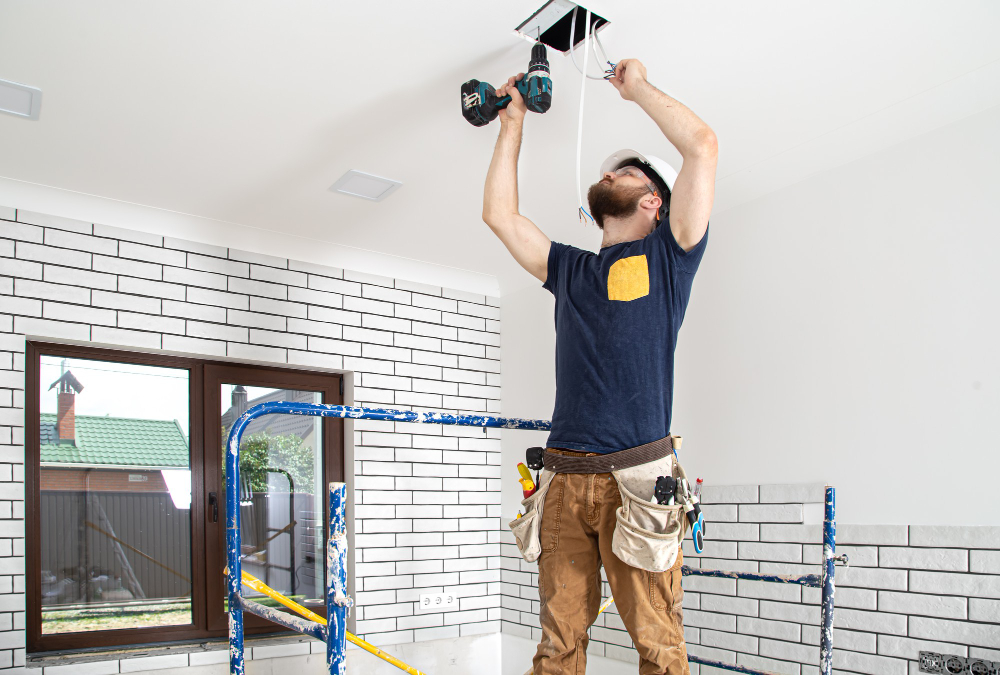
Labor is the largest component of your repiping cost, often representing 60–70% of the total. The complexity of your plumbing layout, accessibility, and pipe routing all play major roles. Professional crews typically charge $75–$150 per hour per technician. A full-home PEX repipe may take two to five days, while copper installations might require up to a week.

Hiring licensed professionals ensures your project passes inspection and meets local building codes. Attempting DIY or hiring unlicensed labor can lead to costly rework — and even void your home insurance in the event of water damage.

Permits, Inspections, and City Regulations

In Sacramento, repipe projects typically require city permits to ensure compliance with building and safety standards. Permit costs range from $100 to $400 depending on scope. Once installation is complete, a city inspector verifies that materials and pressure levels meet code requirements. Licensed contractors usually handle this paperwork for you as part of their service package.

Hiring experienced licensed water heater installers or repipe contractors familiar with Sacramento’s regulations ensures a smooth process from start to finish. They’ll also advise you on best practices for efficiency and long-term maintenance.

Hidden Factors That Affect Pricing

Every home is different, and small details can shift your overall cost. Common examples include:

  • Existing Plumbing Condition: Extensive corrosion or mixed materials may require additional preparation work.
  • Wall and Flooring Materials: Tile or plaster walls cost more to open and repair than drywall.
  • Fixture Replacements: Many homeowners take the opportunity to replace faucets or shut-off valves during the repipe.
  • Additional Upgrades: New water filters, pressure regulators, or hot water recirculation systems can enhance efficiency but add to costs.

Transparency from your contractor is key. A detailed bid should include these potential variables upfront, so you can budget confidently without hidden fees later on.

Return on Investment and Savings

Although the price to repipe a house may seem like a large expense, the long-term savings are substantial. Modern systems reduce leaks, lower water waste, and prevent costly emergency repairs. Homeowners also enjoy improved water pressure and purity, adding everyday comfort and convenience.

According to data from Residential Design Digest, homeowners who complete a full repipe often see a return on investment of up to 70% when factoring in increased home value and reduced maintenance costs. Buyers value homes with modern plumbing systems, especially in regions with aging housing stock like Sacramento.

Financing and Incentives

Many professional contractors, including Super Brothers Plumbing Heating & Air, offer flexible financing plans to help spread the cost of repiping over time. In some cases, energy efficiency programs or water conservation rebates may also apply if you upgrade to low-flow fixtures or energy-efficient water systems during the repipe.

Ask your contractor about available options — combining financing with long-term energy savings makes this project even more attainable for homeowners.

Preparing for Your Repipe Project

Before work begins, homeowners can take a few steps to make the process smoother:

  • Clear pathways to plumbing access points under sinks and near water heaters.
  • Secure pets and valuables during work hours.
  • Discuss your daily water needs with your contractor to minimize downtime.

Most reputable companies coordinate scheduling carefully, often completing work in sections so you maintain partial water access during the project.

Final Thoughts

Repiping your home is an investment that pays off in comfort, reliability, and peace of mind. By understanding the price to repipe a house and the factors that influence it, you can plan your project strategically and avoid unexpected costs. Whether you choose PEX for efficiency or copper for premium longevity, partnering with experienced professionals ensures results that last for decades. With proper planning, the expense becomes not just manageable — but one of the smartest upgrades you’ll ever make to your home.

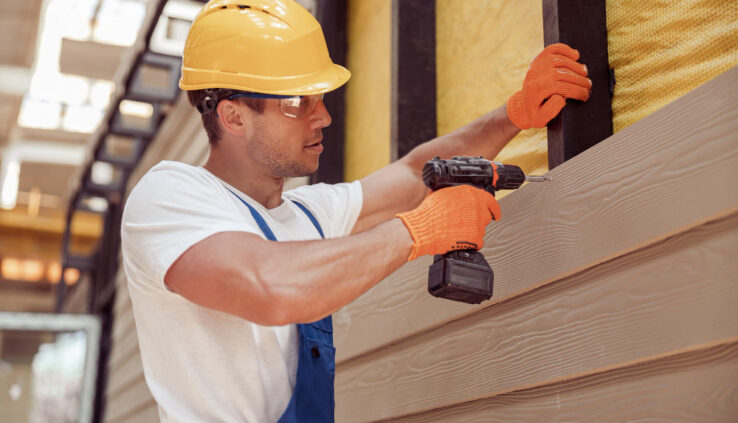
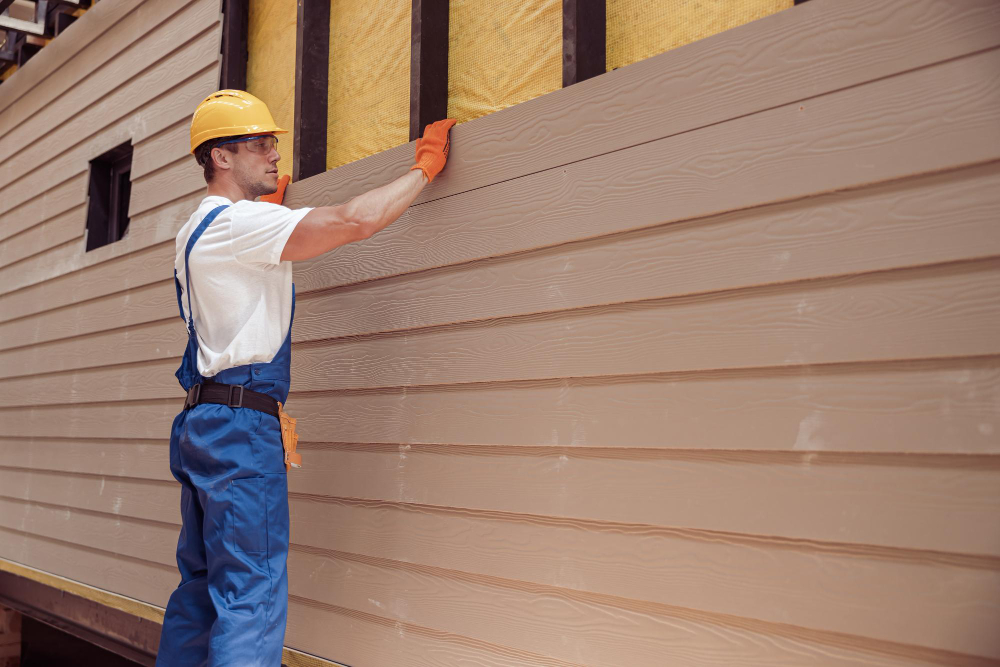
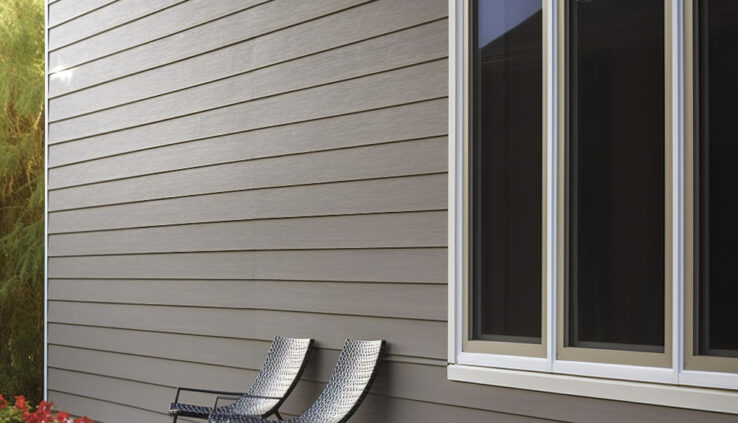
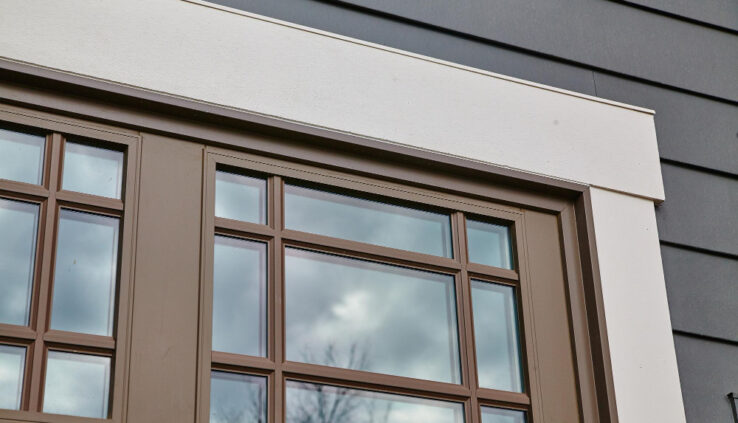
Pros and Cons of Hardie Board Siding

Pros and Cons of Hardie Board Siding: Affordable Curb Appeal for Modern Homes

If you’ve been thinking about upgrading your home’s exterior, you’ve likely come across Hardie board siding — known for its sleek appearance, strong durability, and impressive resale value. But what’s it really like to own, and is it worth the investment for homeowners who care about both style and savings?

This what to know before installing Hardie board siding guide explores how to achieve a fresh, modern look while staying budget-conscious and realistic about the pros and cons.


Why Homeowners Love Hardie Board

Curb appeal meets performance. That’s the best way to describe Hardie board’s appeal. It mimics wood’s natural texture but outlasts it by decades — a combination that’s hard to beat for both beauty and practicality.

Top advantages:

  • Doesn’t rot, warp, or attract termites.

  • Fire-resistant and weatherproof.

  • Can be painted or ordered in baked-on color finishes.

  • Adds 5–10% to resale value, according to national averages.

For homeowners seeking a polished look without constant upkeep, Hardie board delivers long-term confidence.


Balancing Cost and Value

Yes, the upfront price is higher — around $12–$16 per square foot installed — but the return on investment typically exceeds 88–90%.
When you factor in low maintenance and decades of durability, it’s often the smarter financial choice versus frequent repainting or repairs that come with wood or stucco.

Budget Tip: Focus on high-visibility sides of your home first. You can always finish other sections later as your budget allows.

Pros and Cons of Hardie Board Siding

The Few Drawbacks Worth Knowing

Even great materials have limits:

  • Weight: The panels are heavy — professional installation is essential.

  • Cost: Higher than vinyl, but lower than brick or stone.

  • Maintenance: Needs repainting roughly every 10–15 years.

If you plan wisely and hire certified installers, most cons become manageable trade-offs for long-term quality.


Design Flexibility on a Budget

Hardie board comes in a variety of textures and profiles, from smooth lap siding to board-and-batten panels.
For modern homes, consider these combinations:

  • Smooth panels + black trim: Minimalist and architectural.

  • Wood-grain texture + neutral color palette: Classic and timeless.

  • Horizontal lap + vertical accents: Adds depth without extra cost.

Want to extend your modern design indoors? Pair your updated exterior with stylish laminate flooring selections that echo the same wood tones or finishes for a cohesive, high-end look.


Easy Upkeep Tips

  • Rinse once a year with a garden hose.

  • Touch up paint only when chips appear.

  • Keep landscaping trimmed 2–3 inches away from the siding.

  • Inspect caulking annually to prevent moisture seepage.

Follow these steps, and your siding should look new for decades — without the constant maintenance wood demands.


The Payoff: Beauty Meets Practicality

Hardie board’s biggest advantage? It looks far more expensive than it is.
The clean lines, fade-resistant finish, and architectural appeal make it a standout choice for homeowners who want premium style on a practical budget.


Builder’s Notes

When planned smartly, Hardie board siding strikes the perfect balance between elegance and economy. It’s a long-term upgrade that pays off in comfort, curb appeal, and peace of mind.

👉 Affordable doesn’t mean ordinary — it means intentional. Choose durable materials once, and enjoy your home for years with confidence.

kitchen showrooms Sacramento

How Much Does It Cost to Finish a Garage: Comparing DIY vs. Professional Options

For many homeowners, the garage is the last unfinished part of the home — and the perfect space for creative upgrades. But when planning a cost breakdown for garage completion, one big decision can dramatically change your budget: Should you DIY it or hire a professional?

Both options have advantages, but understanding the costs, risks, and results can help you make the right choice for your home and budget.


DIY Garage Finishing: Budget-Friendly, But Time-Intensive

If you enjoy hands-on projects, finishing your own garage can save thousands in labor. The average DIYer can complete a basic finish for $2,000–$6,000, depending on materials and tools.

Typical DIY Costs:

TaskMaterial CostNotes
Insulation & Drywall$1,000–$1,800Labor-intensive; requires precision
Painting$200–$500Easy weekend project
Lighting Installation$150–$300Must follow safety codes
Flooring (Epoxy Kit)$300–$800Prep time is key to adhesion
Shelving & Storage$200–$600Can be added gradually

Pros:

  • Lower overall cost

  • Full control over design and timeline

  • Ideal for smaller, simple spaces

Cons:

  • Requires tools, time, and skill

  • Risk of errors or failed finishes

  • No warranties on workmanship

If you’re comfortable with power tools and have a few weekends to spare, DIY finishing can deliver satisfying results — but expect to learn as you go.


Professional Garage Finishing: Efficient, Durable, and High-Quality

Hiring a licensed contractor provides speed, consistency, and access to better materials. A professionally finished garage costs between $9,000–$20,000, depending on upgrades and regional rates.

Typical Professional Services Include:

  • Framing repairs and drywall installation

  • Electrical, lighting, and outlets

  • Insulation and ventilation

  • Floor coatings and cabinetry

  • Permitting and code compliance

Pros:

  • Faster completion (usually 5–10 days)

  • High-quality, warrantied finishes

  • Adds measurable resale value

Cons:

  • Higher upfront investment

  • Limited flexibility once plans are finalized

Professionals are especially valuable for projects that include HVAC, plumbing, or electrical modifications — areas where safety and local code compliance are critical.

how much does it cost to finish a garage

Hybrid Approach: The Best of Both Worlds

Some homeowners combine both strategies for optimal value. For example:

  • Hire pros for drywall, electrical, and flooring.

  • Handle painting, shelving, and décor yourself.

This approach often saves 10–20% in labor while maintaining professional quality where it matters most.


Long-Term Value Comparison

CategoryDIYProfessional
Initial CostLowerHigher
DurabilityModerateExcellent
Completion Time1–3 weekends1–2 weeks
ROI50–60%70–80%
MaintenanceMore frequentMinimal

If you plan to sell your home in the near future, a professional finish typically yields a stronger return.


Builder’s Notes

Whether you go the DIY route or hire experts, finishing your garage is one of the most rewarding upgrades you can make. Start by defining your goals, budget, and comfort level with hands-on work — then choose the approach that fits best.

👉 If you’re already updating other areas, consider pairing your project with a home remodeling package to save on labor and material costs.

kitchen showrooms Sacramento

Kitchen Showrooms Sacramento: A Design Journey From Confusion to Clarity

When we began planning our kitchen renovation, we underestimated one thing: how overwhelming it would be to make so many design decisions without context.

Paint swatches on a screen. Cabinet samples taped to walls. Pinterest boards that offered more contradiction than clarity. What began as excitement quickly spiraled into confusion. Modern? Classic? Open shelving? Integrated appliances?

We needed something that digital tools couldn’t give us: the ability to experience design in real space. That’s when we turned to the most underappreciated resource in any remodel — the kitchen showrooms in Sacramento.

What followed was a transformative journey — not just in design, but in mindset.


Step 1: From Concepts to Context

The first showroom we visited had fully built-out kitchen environments — complete with lighting, flooring, and layout variations. Walking through them felt like walking through someone’s actual home. Suddenly, design decisions that felt vague on paper became real, tactile, and immediate.

We noticed how:

  • Matte black cabinetry, which we loved online, looked heavy in person.

  • Light-toned wood paired with soft white quartz created an unexpectedly warm and inviting space.

  • Island seating wasn’t just about stools — it was about legroom, lighting angles, and traffic flow.

The takeaway? Seeing kitchens at scale changes everything. It moves design from imagination to insight.


Step 2: Conversations That Changed Our Priorities

In several Sacramento kitchen showrooms, we were fortunate to meet design consultants who weren’t simply trying to sell us products. They asked real questions:

  • “How do you use your kitchen during the week versus the weekend?”

  • “Do you cook daily or order in often?”

  • “Do you want this space to entertain, or to reset?”

These weren’t decorative inquiries. They were functional diagnostics — and they helped us stop designing for trends and start designing for how we live.

This shifted our focus:

  • From dramatic statement backsplashes to easy-to-clean, durable materials

  • From oversized islands to multi-functional, well-proportioned surfaces

  • From sleek minimalism to comfort-driven modernity

kitchen showrooms Sacramento

Step 3: Material Matters (And Needs to Be Touched)

No photograph or sample swatch can replicate the feel of a surface under your hand. In person, we discovered:

  • Not all quartz is created equal. Some brands had visual depth and softness, while others felt flat.

  • Cabinet finishes varied in warmth and tone, depending on the lighting — especially under LEDs.

  • Pulls and handles that looked gorgeous online sometimes felt awkward in the hand.

Being in the showroom allowed us to interact with our potential choices. We could test drawer mechanisms, feel countertop edges, and experience lighting changes — the types of nuanced interactions that ultimately shaped better, more confident decisions.

It’s no exaggeration to say that visiting showrooms helped prevent costly mistakes.


Step 4: Layout Insights You Don’t Get From Floorplans

Showrooms offer something even virtual walkthroughs can’t: spatial perspective.

In one kitchen, we stood at the cooktop and realized how critical sightlines were — to the living room, the dining area, even the backyard. We learned how cabinetry height affected storage and visual balance. We saw how slight adjustments in island placement completely changed the feel of movement in the space.

These weren’t theoretical observations. They were physical truths you can only uncover by being there.


Step 5: From Confusion to Clarity — What We Ultimately Chose

After visiting three different kitchen showrooms in Sacramento, we finalized our vision:

  • A warm, contemporary palette of soft white, light oak, and brushed nickel

  • A quartz waterfall island sized for both meal prep and conversation

  • Custom storage solutions built into lower cabinetry to reduce upper bulk

  • Layered lighting — including task, ambient, and under-cabinet features

  • Appliances that blended into cabinetry, rather than dominating it

This wasn’t just a design plan. It was a solution to how we live — and how we want to feel in the most used room of our home.


Final Thoughts: Why Kitchen Showrooms Still Matter

In the age of digital everything, it’s easy to underestimate the value of physical exploration. But kitchen showrooms offer more than inspiration — they provide context, clarity, and confidence.

They’re where assumptions are tested. Where materials come alive. And where, more often than not, your final design will come together faster than it ever could on a screen.

So if you’re planning a kitchen renovation in Sacramento — or even just beginning to imagine one — take the time to visit the showrooms. Bring your floorplan, your questions, and most importantly, your openness to learn. What you’ll leave with isn’t just a product list — it’s a vision grounded in reality.

Choosing the Best Siding Material for Your Climate

The Story of a Backyard ADU Construction Project in California

For many families, the idea of ADU Construction starts as a dream — a vision of more space, financial freedom, or a way to bring loved ones closer. This is the story of one California homeowner who turned that dream into reality by building a backyard ADU, and the lessons learned along the way.

A Family’s Need for Change

Maria and her husband owned a modest home in Sacramento. With their college-aged son moving back home and Maria’s mother needing extra care, the family realized they needed more space. Buying a larger property was out of reach, and home additions carried a price tag that didn’t fit their budget. That’s when Maria discovered the potential of backyard ADU construction.

Exploring the Options

At first, the couple searched online for cheap adu options, thinking affordability was the only way forward. They considered prefabricated models, tiny homes, and even repurposed shipping containers. While these solutions were budget-friendly, they also raised questions about durability, comfort, and long-term value.

After speaking with a contractor experienced in ADUs, Maria learned there was a middle ground: build a modest yet well-designed unit that balanced affordability with quality materials.

Choosing the Best Siding Material for Your Climate

The Planning Stage

The contractor helped them draw up plans for a 450-square-foot backyard ADU. The layout was simple — one bedroom, one bathroom, a small kitchen, and an open living area. By keeping the design straightforward, they minimized unnecessary costs while still creating a comfortable and attractive space.

Maria opted for durable vinyl plank flooring and stock cabinetry, which kept costs down but still gave the unit a modern look. Instead of granite, they selected laminate countertops with a stone-like finish.

Construction Challenges

No construction story is without its hurdles. During excavation, the crew discovered old concrete footings from a previous shed, which added time and expense to the foundation work. Later, material delays stretched the timeline. But the contractor’s experience and clear communication helped the family navigate these setbacks without blowing their budget.

A New Space with New Possibilities

Six months later, the ADU was complete. Maria’s son moved into the unit, giving him independence while staying close to family. Later, when he found his own apartment, the space transitioned into a rental unit. Within the first year, the rental income covered a large portion of the construction costs.

The backyard ADU didn’t just provide space — it created opportunity. The family now had a flexible unit that could serve as a guest suite, rental property, or living space for Maria’s mother in the future.

Lessons Learned

  1. Balance is key. Cheap isn’t always the best choice, but you can find affordable alternatives that hold long-term value.
  2. Simplicity saves money. A straightforward design reduced costs without sacrificing livability.
  3. Flexibility is valuable. An ADU can evolve with your family’s needs over time.

Final Thoughts

For Maria and her family, ADU Construction was more than a building project — it was a solution to a changing lifestyle. Their story shows how careful planning, smart material choices, and the right contractor can turn a dream into a lasting investment.

If you’re considering an ADU, remember: the goal isn’t just to build a structure, but to create a space that serves your family’s present and future.

quartz countertops near me

Quartz Countertops Near Me: A Renovation Decision That Paid Off

When I started planning our kitchen renovation, I wasn’t looking for perfection—just something better. The old laminate countertops had seen too many hot pans, too many spilled sauces, and too many rushed mornings. They had stains that wouldn’t come out and corners that were starting to peel. I needed something durable, timeless, and low-maintenance. And that’s how my search for quartz countertops near me began.

What I didn’t expect was just how much of a difference that one decision would make—not just in how the kitchen looked, but in how it functioned every single day.


🚧 The Starting Point: Function First

Like most homeowners, I started by listing what wasn’t working:

  • Stains that wouldn’t lift

  • A constant fear of putting anything hot directly on the counter

  • Chips and dents in high-traffic areas

  • That dull, dated look that no deep clean could fix

I wasn’t after flashy. I was after smart. I wanted a material that could stand up to real life—kids, guests, cooking, and everything in between.


🔍 Why Quartz Caught My Attention

I considered granite, marble, even butcher block. But when I dug deeper into material comparisons, quartz checked all the right boxes:

  • Non-porous, which meant no sealing or constant upkeep

  • Resistant to staining, scratching, and heat

  • Available in a wide range of colors and patterns, many of which looked like natural stone

  • Engineered for consistency, so what I saw in the showroom is exactly what I got at home

As someone who appreciates good craftsmanship and proven materials, quartz wasn’t just beautiful—it was built to last.

quartz countertops near me

🧭 Going Local: The “Near Me” Part Matters

Once I settled on quartz, the next step was sourcing. I typed in that familiar phrase: quartz countertops near me, hoping to find something local. And I’m glad I did.

Visiting a nearby showroom allowed me to:

  • See full-size slabs in real lighting conditions

  • Compare finishes side by side—matte vs. polished

  • Ask questions about installation, warranty, and maintenance

  • Talk to professionals who actually knew what they were selling

Most importantly, I was able to view quartz options that were ready to install, avoiding weeks of lead time for custom orders.


🧰 The Installation: Quick, Clean, and Worth Every Penny

I won’t lie—remodeling a kitchen is disruptive. But the countertop installation was the smoothest part. The crew showed up on time, worked with precision, and left behind a finished product that immediately elevated the entire space.

In less than a day, our kitchen went from dated to polished. From “let’s just get through the week” to “let’s host dinner this weekend.”


💬 The Everyday Impact

Here’s what changed after the quartz countertops went in:

  • I stopped worrying about damage. Hot pans? Coffee spills? No problem.

  • Cleanup is a breeze. A quick wipe, and the surface looks as good as new.

  • The kitchen feels bigger and brighter, thanks to the reflective surface and lighter tone we chose.

  • Guests comment on the countertops—every time.

It wasn’t just a cosmetic upgrade. It was a functional improvement that made the kitchen more usable, more welcoming, and—yes—more valuable.


💡 What I’d Tell Any Homeowner Considering Quartz

If you’re on the fence, here’s the short version:

✔️ Quartz is durable enough for everyday use
✔️ It’s low-maintenance, with no sealing or special care needed
✔️ It brings visual impact without sacrificing function
✔️ And when sourced locally, it can be installed quickly and affordably

In a world of flashy options and fast design trends, quartz is a smart, timeless choice. And choosing a local supplier means fewer surprises, better service, and materials you can see, touch, and trust before buying.


✅ Final Thoughts: An Investment That Delivered

Looking back, quartz countertops were more than just a line item on a renovation checklist. They were a decision that transformed our kitchen from a space that frustrated us to one that truly fits our life.

If you’re typing quartz countertops near me and feeling overwhelmed by choices, here’s my advice: take the next step. Visit a local showroom. Ask the questions. Run your hand across the surface. You’ll know—just like I did—that you’ve found the right fit.

Because sometimes, one smart upgrade can change everything.

Quartz Countertops Near Me

Quartz Countertops Near Me: The Remodel Decision I Don’t Regret

When I started my kitchen remodel, I thought I had everything figured out — the layout, the lighting, even the cabinet pulls. But the countertops? That decision stopped me in my tracks.

Granite? Too high-maintenance. Marble? Gorgeous, but not ideal for spaghetti night with three kids. Laminate? Been there, done that.

That’s when I started searching for quartz countertops near me, and let me tell you — it turned out to be the smartest call I made in the entire remodel.

Here’s how I landed on quartz, what I learned along the way, and why I’d make the same choice again in a heartbeat.


🧭 The Great Countertop Dilemma

Every renovation hits a wall — literally or metaphorically. For me, it was countertop indecision.

I wanted something:

  • Durable enough for real life

  • Stylish enough to look high-end

  • Easy enough to maintain without babying it

The more I researched, the more quartz kept popping up. Not just online, but from neighbors, contractors, and showroom reps who’d seen it hold up beautifully — year after year.


🪵 First-Hand Experience Matters

Before I committed, I visited a few local showrooms to see quartz surfaces in person.

I brought samples home. I spilled red wine on them. I tested them under harsh overhead lighting. I even took a pan straight off the stove and set it down (don’t do this regularly, but quartz held up better than expected).

That hands-on testing convinced me this wasn’t just hype. It was performance and polish — all in one.

Quartz Countertops Near Me

🔎 Why Quartz Made Sense for My Kitchen

Here’s what tipped the scales:

  • Stain Resistance: Quartz is non-porous. That means no sealing, no bacteria, no wine-ring panic.

  • Low Maintenance: A quick wipe is all it takes. No harsh cleaners. No special routines.

  • Design Versatility: From solid colors to patterns that mimic marble and concrete, there’s something for every style — modern, rustic, farmhouse, or industrial.

  • Longevity: This wasn’t just a cosmetic upgrade. Quartz added real value to the home.

And since I was sourcing quartz countertops near me, I found local fabricators who could measure, cut, and install everything without long wait times or expensive shipping.


🧠 What I Learned from the Install

Let’s be real — countertop replacement isn’t plug-and-play. You want it done right.

Here’s what made the difference in my experience:

  • I worked with a local installer who came recommended and had access to great slabs.

  • I made sure to choose the edge profile early (I went with a clean beveled edge).

  • I asked about warranty and seam placement — two things you don’t want to ignore.

The install took just over a day, and the transformation was immediate. It felt like a new kitchen — even though we hadn’t touched the cabinets.


💡 The Bonus Benefits I Didn’t Expect

I knew quartz would look good, but I didn’t expect how much it would change the way I use the kitchen.

  • I actually enjoy cleaning up now (weird, I know).

  • Guests constantly ask, “What is this countertop?”

  • It reflects light better, making the whole space feel bigger and brighter.

  • And when we had our home appraised recently? The value increase more than covered what we spent.


✅ Final Thought: No Second-Guessing This One

There are always a few remodeling decisions you second-guess. That funky paint color. That too-small island. That one light fixture you thought was a good idea at the time.

But choosing quartz countertops near me? That’s the one I’d do again without hesitation.

If you’re remodeling — or just replacing outdated counters — do yourself a favor: visit a local showroom, bring home some samples, and see for yourself why quartz continues to be the go-to for homeowners who want style and practicality.

Because when a countertop can look this good, work this hard, and still make you smile every time you walk into the kitchen… it’s not just a surface. It’s a smart investment.

Bathroom remodel cost Roseville CA

From Outdated to Outstanding: A Sacramento Bathroom Remodel That Changed Everything

Let’s face it: bathrooms work hard. They’re where the day begins and ends, where we refresh, regroup, and, sometimes, hide from toddlers or roommates. So when a bathroom isn’t functioning—or feeling—right, it’s not just inconvenient. It’s disruptive.

That’s why a thoughtfully executed bathroom remodel in Sacramento can do more than improve your home. It can improve your life.

Let’s walk through what matters most, from the planning stage to the final polish—because great remodeling is never just about tile and tubs. It’s about making spaces that work for real people.


🧠 Start with Purpose, Not Pinterest

Chip Gaines would agree—before choosing fixtures or scrolling for vanity inspo, start by asking:
What’s not working in this space right now?

  • Not enough storage?

  • Poor lighting?

  • A shower that feels more like a phone booth?

Understanding your needs is the first step toward a remodel that actually solves problems.


💸 Know What to Budget

In Sacramento, costs vary depending on the size and scope of your project:

  • Cosmetic refresh (paint, fixtures): $8K–$15K

  • Mid-range remodel (new vanity, tile, lighting): $20K–$35K

  • High-end, full-gut remodel: $40K–$70K+

Yes, it’s an investment. But a smart remodel typically returns 60–70% in resale value—and a much higher return in day-to-day satisfaction.

Bathroom remodel cost

🛁 Choose the Right Features

Want to elevate both function and feel? Prioritize upgrades with lasting value:

  • Double vanity for shared spaces

  • Walk-in shower with seamless glass

  • Heated floors for a touch of luxury

  • LED backlit mirrors for energy-efficient lighting

  • Built-in niches for clutter-free storage

Tip: In older Sacramento homes, plumbing and electrical upgrades are often necessary—build that into your plan from day one.


🛠️ Hire the Right Team

A remodel done right doesn’t happen by accident.

Choose a local Sacramento contractor with:

  • Solid reviews

  • Clear communication

  • Familiarity with city permitting and inspections

  • A portfolio that matches your style

Don’t be afraid to ask hard questions. You’re hiring a team to transform one of the most personal rooms in your home.


🌟 Think Long-Term

Trends are fun, but timeless design wins the day.

  • Neutrals over neons

  • Clean lines over clutter

  • Quality materials over quick fixes

Chip might say: “Pick what feels right today, and still feels right 10 years from now.”


✅ Final Thought

A bathroom remodel in Sacramento isn’t just about resale or square footage. It’s about reclaiming a space you use every single day—and making it cleaner, smarter, more beautiful, and more you.

When done well, it’s not just a renovation. It’s a restoration of function, peace, and maybe even a little joy.


🧰 CALL TO ACTION

Ready to transform your bathroom into something truly special?
Our Sacramento design-build team is here to guide you through every step—with expertise, care, and a plan tailored to your life and budget. Let’s build something great, together.

Choosing the Right Kitchen Layout

Kitchen Cabinets: An Analytical Problem-Solution Guide to Style and Function

When homeowners begin a kitchen renovation, one of the most complex decisions they face is cabinet selection. It affects layout, workflow, aesthetics, storage, and budget. This guide, presented in a clear problem-solution format, helps demystify the process of choosing kitchen cabinets while balancing function and luxury—with the precision and polish of a well-considered design.


Problem #1: Outdated or Poor-Quality Cabinets

The Issue: Many homes still feature builder-grade cabinets that are 10+ years old, made from particleboard, and lacking soft-close hardware or adjustable shelving.

The Solution: Invest in semi-custom or custom cabinetry using solid hardwood or plywood construction. Features to prioritize include:

  • Full-overlay doors for a clean, modern look

  • Dovetail joinery for strength

  • Soft-close hinges and drawer glides

Why It Matters: Upgrading to quality cabinetry improves durability, long-term functionality, and the perceived value of your kitchen.


Problem #2: Inefficient Storage and Layout

The Issue: Poor cabinet layout leads to wasted space and frustration. Deep lower cabinets become black holes for cookware. Corners go underutilized. Countertop clutter builds.

The Solution: Redesign cabinet configurations around user behavior and kitchen zones. Key upgrades:

  • Pull-out trays and pantry towers

  • Deep drawers for pots and pans

  • Corner carousel or blind-corner solutions

  • Built-in trash/recycling systems

Analytical Insight: According to the NKBA, homeowners who redesign their cabinet storage report a 34% increase in kitchen usability.

Countertop Replacement: Elevate Your Kitchen’s Style and Functionality

Problem #3: Clashing Styles or Trend Fatigue

The Issue: Cabinet styles that felt trendy 5 years ago may now feel dated. Glossy white, overly ornate moldings, or dark espresso finishes may not suit your evolving aesthetic.

The Solution: Opt for timeless cabinet styles:

  • Shaker or slab fronts in natural wood tones, matte white, or soft greys

  • Integrated or minimalist hardware

  • Subtle textures and layered neutrals

Why It Works: Clean lines and versatile colors provide longevity. Pair with tailored backsplash and lighting for modern contrast.


Problem #4: Budget Constraints vs. Design Expectations

The Issue: Many homeowners want high-end design on a mid-range budget.

The Solution: Focus on key visual areas:

  • Splurge on visible upper cabinets or an island with glass doors and interior lighting

  • Use RTA (ready-to-assemble) or semi-custom boxes in other areas

  • Mix open shelving with cabinetry for cost savings

Budget Tip: Blend different cabinetry price points strategically. According to Houzz, this can reduce total cabinet spend by 15-20% without sacrificing style.


Problem #5: Lack of Personalization

The Issue: Stock cabinets rarely fit a family’s unique cooking habits, storage needs, or aesthetic preferences.

The Solution: Work with a designer or cabinet maker to tailor:

  • Specialty drawers for spices, baking sheets, or small appliances

  • Built-in beverage stations or charging drawers

  • Custom hoods or architectural panels that echo your home’s character

Candice Olson-Inspired Insight: A beautiful kitchen reflects your lifestyle. Design it to serve you functionally first, then elevate with finishes that create emotional resonance.


Final Thoughts

Kitchen cabinets are one of the most important design and function elements in your home. An analytical, problem-solving approach ensures they support your routine, align with your design vision, and stand the test of time.

Call to Action

Looking to update your kitchen cabinetry with purpose and polish? Let our expert team help solve your kitchen challenges and design solutions that blend form, function, and enduring style.

Bathroom Remodeling: A Data-Driven, Inspirational Guide

Bathroom Remodeling: A Data-Driven, Inspirational Guide

Transforming your bathroom isn’t just a practical upgrade—it’s an opportunity to enhance your daily routine, increase your home’s value, and create a space that feels intentional and inspired. Drawing from real-world data and uplifting design principles, this guide explores the smart and beautiful side of bathroom remodeling.


Why Remodel Your Bathroom? The Numbers Speak

According to the National Association of Realtors, bathroom remodels consistently rank among the top projects for return on investment.

  • Mid-range remodel ROI: 67% average return

  • Upscale remodel ROI: 60% average return

  • Homeowner satisfaction (post-remodel): 9.6/10

Beyond resale value, surveys from Houzz indicate that 71% of homeowners say their remodeled bathroom has increased their overall quality of life.


Start with a Purposeful Vision

Great bathroom design starts with intention. Consider what matters most to you:

  • A serene, spa-like retreat?

  • Functional flow for a busy household?

  • Accessibility for aging in place?

Create a mood board, write down your goals, and let that be your compass.

Bathroom Remodeling: A Data-Driven, Inspirational Guide

Top Design Elements to Consider

1. Natural Light: Incorporating a skylight or larger window can elevate the space dramatically.

2. High-Efficiency Fixtures: Toilets and faucets labeled WaterSense can cut water usage by 20% or more.

3. Statement Tile: Hex patterns, marble mosaics, or hand-crafted zellige tiles can add artistry to function.

4. Custom Vanities: Built-ins designed for your storage needs help reduce clutter and amplify style.


Budget Breakdown: What to Expect

According to Remodeling Magazine:

  • Basic Remodel: $10,000–$15,000

  • Mid-range Remodel: $20,000–$35,000

  • Luxury Remodel: $40,000+

Smart planning includes setting aside 10% for contingencies.


Case Study: From Dated to Dreamy

An outdated 1980s bathroom with beige tile and poor lighting was transformed into a calming retreat with:

  • Soft grey cabinetry

  • Brushed brass fixtures

  • Frameless walk-in shower with rainfall head

  • Heated flooring

The project took 5 weeks and came in just under $28,000. The result? A daily sense of calm and increased home value.


Material Choices That Balance Beauty and Function

MaterialFunctionalityDesign Appeal
Porcelain tileDurable and water-proofComes in endless designs
Quartz countertopsNon-porous, low-maintenanceSleek, clean lines
Matte black hardwareScratch-resistantContemporary and elegant
Natural stoneTimeless, organicAdds warmth and character

Final Thoughts

A bathroom remodel should go beyond upgrading fixtures. It should reflect how you want to live. When form meets function, and your design speaks to who you are, the result is more than a remodel—it’s a transformation.

Call to Action

Ready to create a bathroom that inspires daily comfort and lasting value? Our design team is here to help you turn inspiration into a smart, beautifully executed reality.